Your Brain's Best Hack: The 7-Day Mind Reset Mindset Makeover: The Science of Sharp Focus & Calm
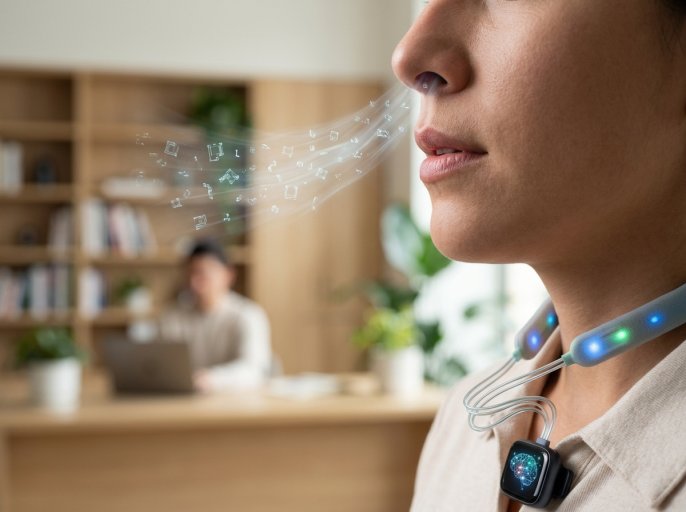
Tech's latest obsession isn't AI, blockchain, or the metaverse—it's your breath. A flood of new neuroscience studies demonstrates that meditation can rewire the brain, psychedelics can reboot it, and simple awareness can alter the body's most fundamental functions. The thing you need to understand about this trend is that Silicon Valley isn't just consuming this research; it's operationalizing it, turning ancient practices into new vectors for data extraction and productivity optimization.
PLUS: The latest living meta-analysis on psilocybin offers a stark reminder that the most effective mental health interventions often lie outside the traditional tech-patent ecosystem.
It feels like every other week, a new study lands in a top-tier journal with headlines promising neuroplasticity on demand. This week’s batch is particularly potent. Research from UC San Diego found a 7-day meditation retreat can rewire the brain's default mode network in ways strikingly similar to psilocybin. A living systematic review in Nature Mental Health consolidates data from 15 trials to show a "substantial" effect for psilocybin on depression. Another paper posits that consciousness itself is shaped by bodily signals. For a culture obsessed with hacking the self, this is catnip. But here’s the question no one is asking: when tech platforms and employers start mandating mindfulness for focus or offering psychedelic retreats as a benefit, who owns the resulting data from your rewired brain?
Following: The Co-opt Pipeline
The journey from lab to LinkedIn is now a well-greased chute. A study on "embodied time perspective" links body awareness to better sleep and digestion. A corporate wellness vendor's slide deck on that topic is already being drafted. The UCSD meditation study will be cited in a thousand HR newsletters by Friday, stripped of its nuance about intensive retreats and repackaged as a justification for five-minute "mindful breathing" breaks between back-to-back Zoom calls. The paper of record is no longer The New England Journal of Medicine; it’s a bullet-point summary in an internal memo from a VP of People Ops.
The Extraction Problem
The thing you need to understand about the mindfulness-industrial complex is its fundamental economic shift. For millennia, these practices were about inner liberation, often defined by a release from worldly attachment. The new model is about attachment—specifically, attaching quantifiable physiological outcomes to platform engagement and, ultimately, revenue.
Take the study on mindfulness for glycemic control in type 2 diabetes. The meta-analysis in the Bentham Science journal found "very low quality of evidence" and no significant effect. This is the kind of null result that gets buried. But it doesn’t matter. A null result in a systematic review won’t stop a digital health startup from claiming its AI-powered mindfulness coach can "support metabolic health." The science becomes a buffet—serving up the validating UCSD study while ignoring the inconvenient diabetes paper.
This creates a new kind of splinternet for the mind. On one side, rigorous, open-access research published in journals like Translational Psychiatry, exploring the "brain energetic landscapes" of major depressive disorder with meticulous detail. On the other, an ecosystem of apps and corporate programs that selectively reference this science to sell subscription services and harvest incredibly intimate datasets about user vulnerability, focus, and emotional regulation. The bridge between them isn't peer review; it's growth marketing.
The Compliance Problem
Then there’s the psilocybin research. The living meta-analysis presents a clear, data-driven case: psilocybin-assisted therapy shows a large effect size (Hedges’ g = -0.90) for depression. This is a potential earthquake for mental healthcare. But in the tech world, I find myself watching how this will be assimilated.
We’re already seeing the early framing in Silicon Valley circles: psychedelics as the ultimate biohack, a way to rapidly induce neuroplasticity and "reboot" the founder brain for greater creativity and resilience. The risk is that the profound, context-dependent, therapeutic process documented in these trials—which includes extensive psychological support—gets stripped down to its chemical component. The narrative becomes about accessing a productivity-enhancing brain state, not healing. The "assisted therapy" part is a regulatory hurdle, not a core ingredient.
When the value is seen in the neurobiological information—the changed default mode network connectivity—and not in the carefully held container of the therapeutic relationship, then people will care less that a therapist was involved. The goal becomes licensing the protocol, scaling the dose, and integrating the "insights" into your performance review. It’s the ultimate commodification of a healing journey.
The End of the Private Mind
So where does this all end? We are building the infrastructure to make our inner lives legible to external systems. A study on interoception—awareness of internal bodily signals—ties it to a balanced sense of time and better sleep. Imagine your health insurance portal, fed by your wearable data, noting your "interoceptive awareness score" is low, prompting a nudge to use the sponsored meditation app. Your employer’s wellness platform, citing the UCSD study, recommends a meditation retreat to improve your team's "cognitive flexibility." The retreat's waiver includes permission to use biometric data for research.
The promise of these practices was always freedom—from suffering, from reactive patterns, from the tyranny of the chattering mind. The new corporate promise is freedom *through* optimization. Be more focused, more resilient, more creative… for the company. Your calm is their asset. Your neuroplasticity is their competitive advantage.
The ancient warning was that meditation could make you so content you'd abandon societal striving. Tech’s innovation is to make sure the striving itself becomes the object of meditation. Breathe in for the sprint, breathe out for the OKR.
Not anymore.
Talk to us
Send tips, comments, and questions. We read everything, even if we can’t respond to all of it.